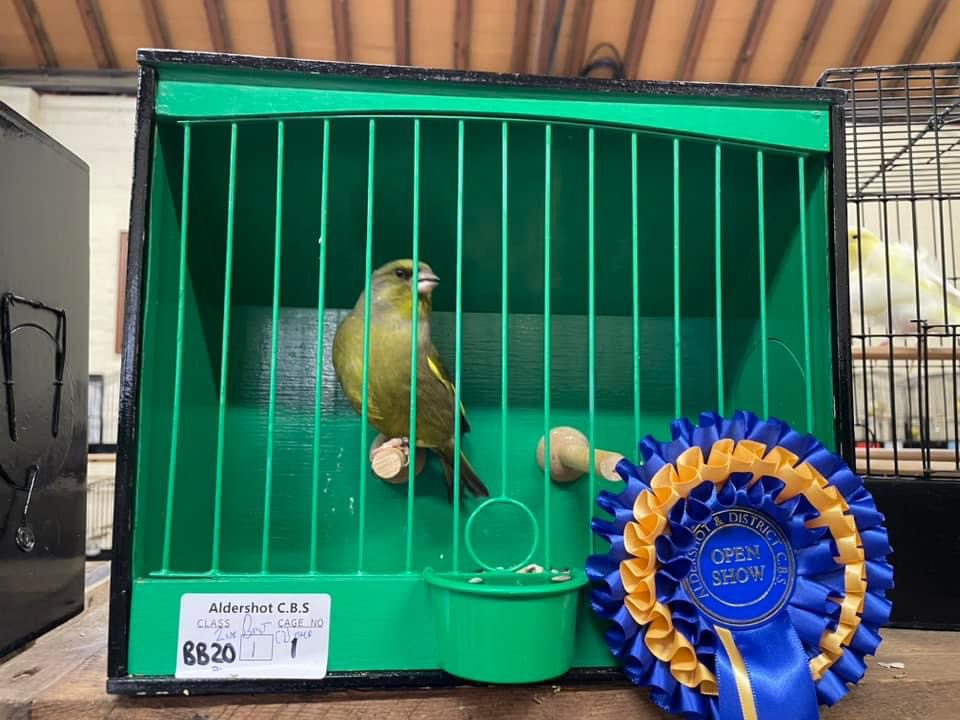
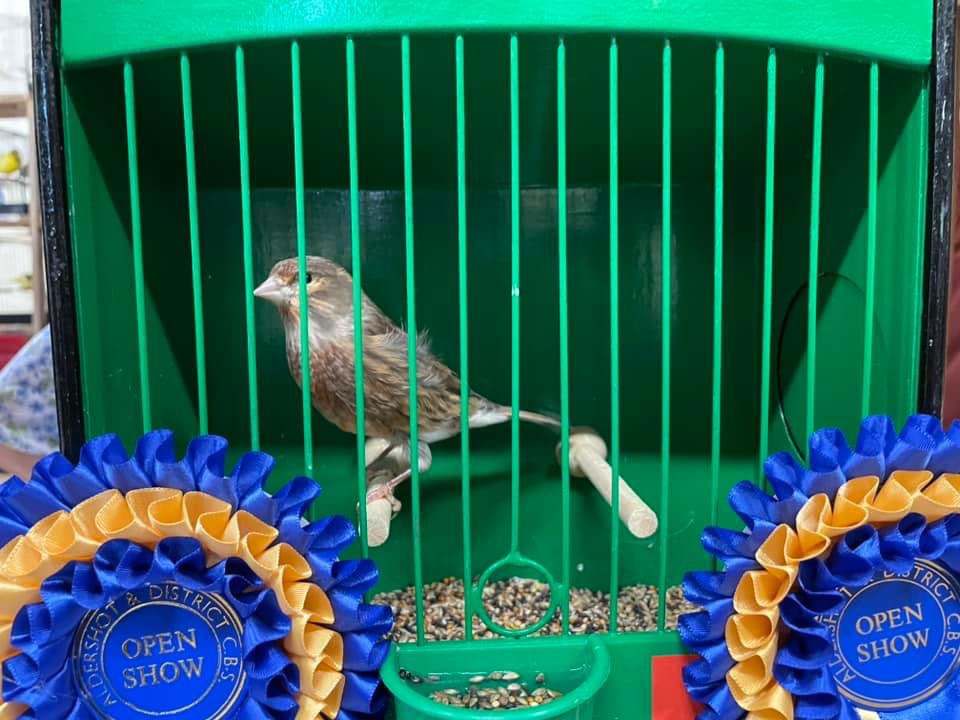
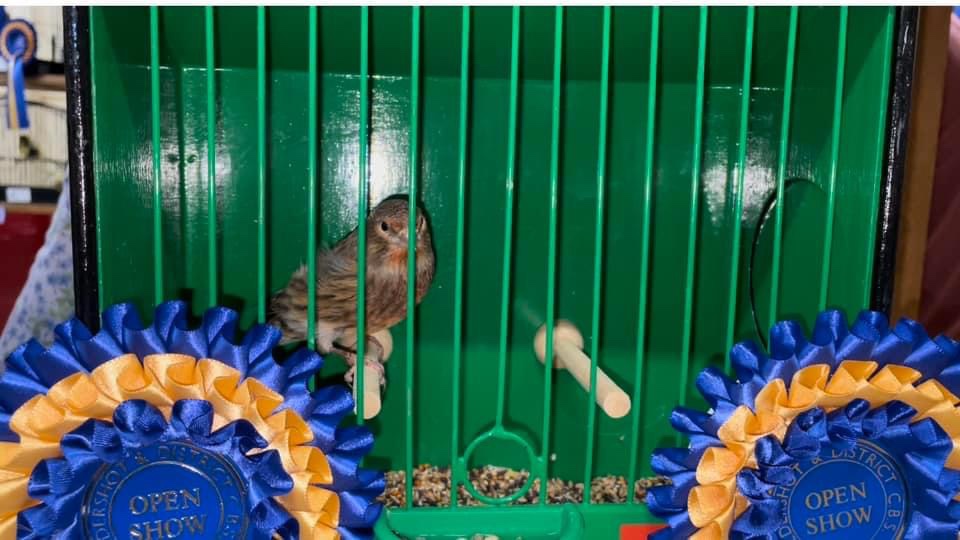
SHOW DATES 2023/24
British native,mule,hybrid club show will take place at our new hall in middlewich on jan 28th 2024 judges engaged Native hard bills Mr D Thomas D.hammond ,H.Rees,Owen softbills Mr. N Higgins contact Mr P Jackson 07496772548
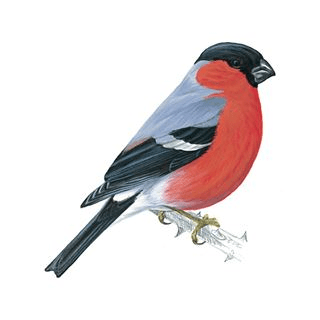
Bullfinch
The male bullfinch is unmistakable with his bright pinkish-red breast and cheeks, grey back, black cap and tail, and bright white rump. The flash of the rump in flight and piping whistled call are usually the first signs of bullfinches being present. They feed voraciously on the buds of various trees in spring and were once a ‘pest’ of fruit crops.
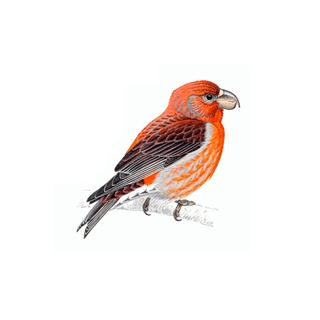
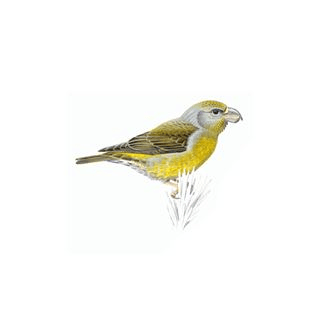
Parrott Crossbill
The parrot crossbill is a large, powerful finch. It has a deep parrot-like bill and a sharply forked tail. The male is orange to red with dusky wings and tail, the female is olive-green or grey. It is very similar to the crossbill and Scottish crossbill – the bill structure and the distinctive, deeper call is the most reliable way to separate them.
It irrupts into Britain some years from Europe after the corn crop has failed there and has bred away from its stronghold in Abernethy Forest. They are listed on Schedule 1 of The Wildlife and Countryside Act.
Lesser Redpole
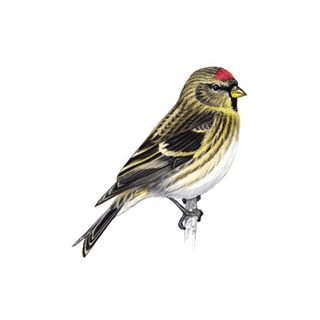
This tiny finch – only slightly bigger than a blue tit – is streaky and brown with patches of red on its head and sometimes its breast. They like to hang upside down to feed in trees. It has recently been ‘split’ from the mealy (or common) redpoll, a larger and paler species which is a winter visitor to the UK.
Common Redpoll
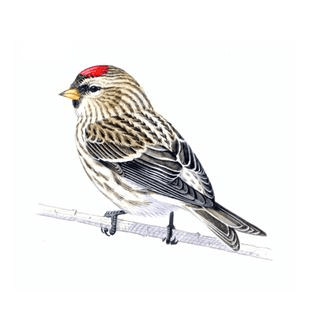
The common (or mealy) redpoll is a small finch. It is larger and paler than the very similar lesser redpoll. It is streaky brown above and whitish below with black streaks, and shows two white lines on the folded wing. It doesn’t breed in the UK, but is a passage migrant and winter visitor, particularly to the east coast.
Linnet
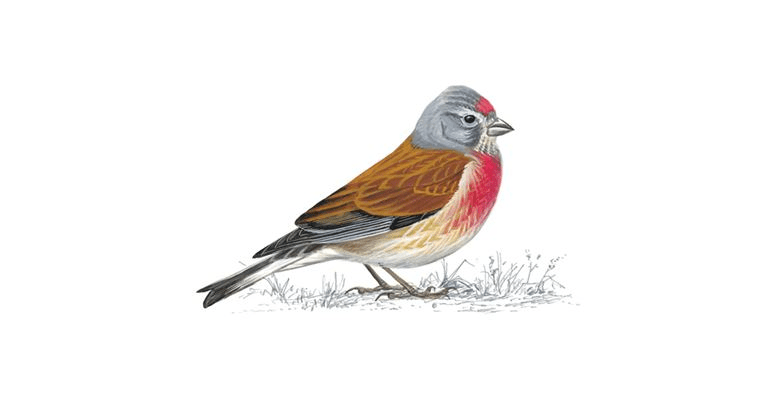
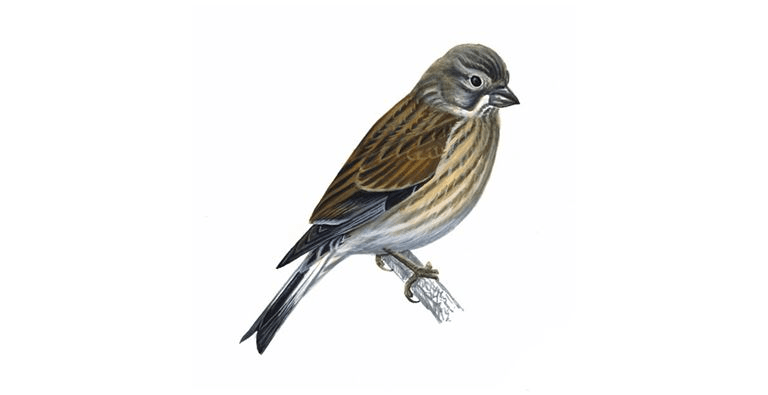
A small, slim finch, widely distributed and once very popular as a cage bird because of its melodious song. Males are attractively marked with crimson foreheads and breasts, females much browner. It has an undulating flight, usually twittering as it flies and may be seen in large flocks during the winter.
Linnet numbers have dropped substantially over the past few decades, with the UK population estimated to have declined by 57 per cent between 1970 and 2014. The latest Breeding Bird Survey results show a decrease in all countries.
Goldfinch
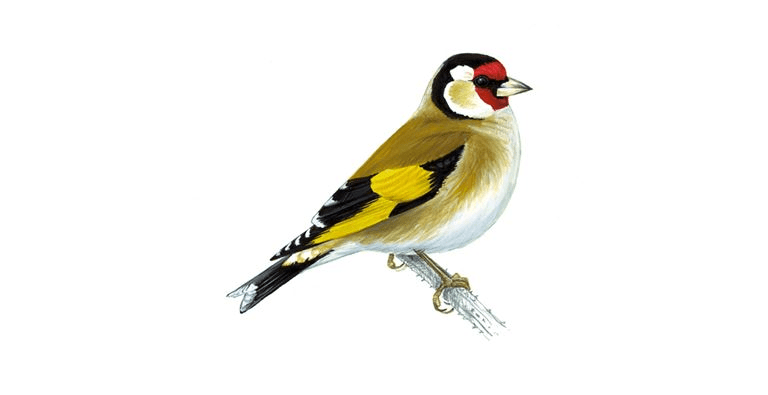
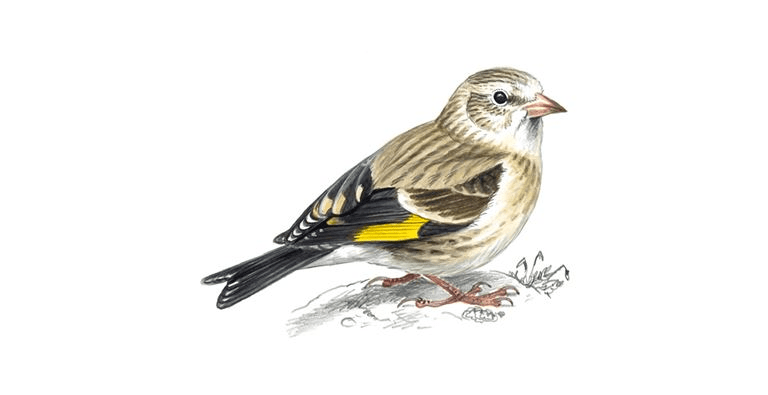
The goldfinch is a highly coloured finch with a bright red face and yellow wing patch. Sociable, often breeding in loose colonies, they have a delightful liquid twittering song and call. Their long fine beaks allow them to extract otherwise inaccessible seeds from thistles and teasels. Increasingly they are visiting bird tables and feeders. In winter many UK goldfinches migrate as far south as Spain.
 Down the Shed